Where a Transport Management System (TMS) Adds Serious Value Beyond Just Dispatch
A Transport Management System does far more than dispatch. See how a TMS cuts freight costs, automates carrier selection, gives real-time visibility.
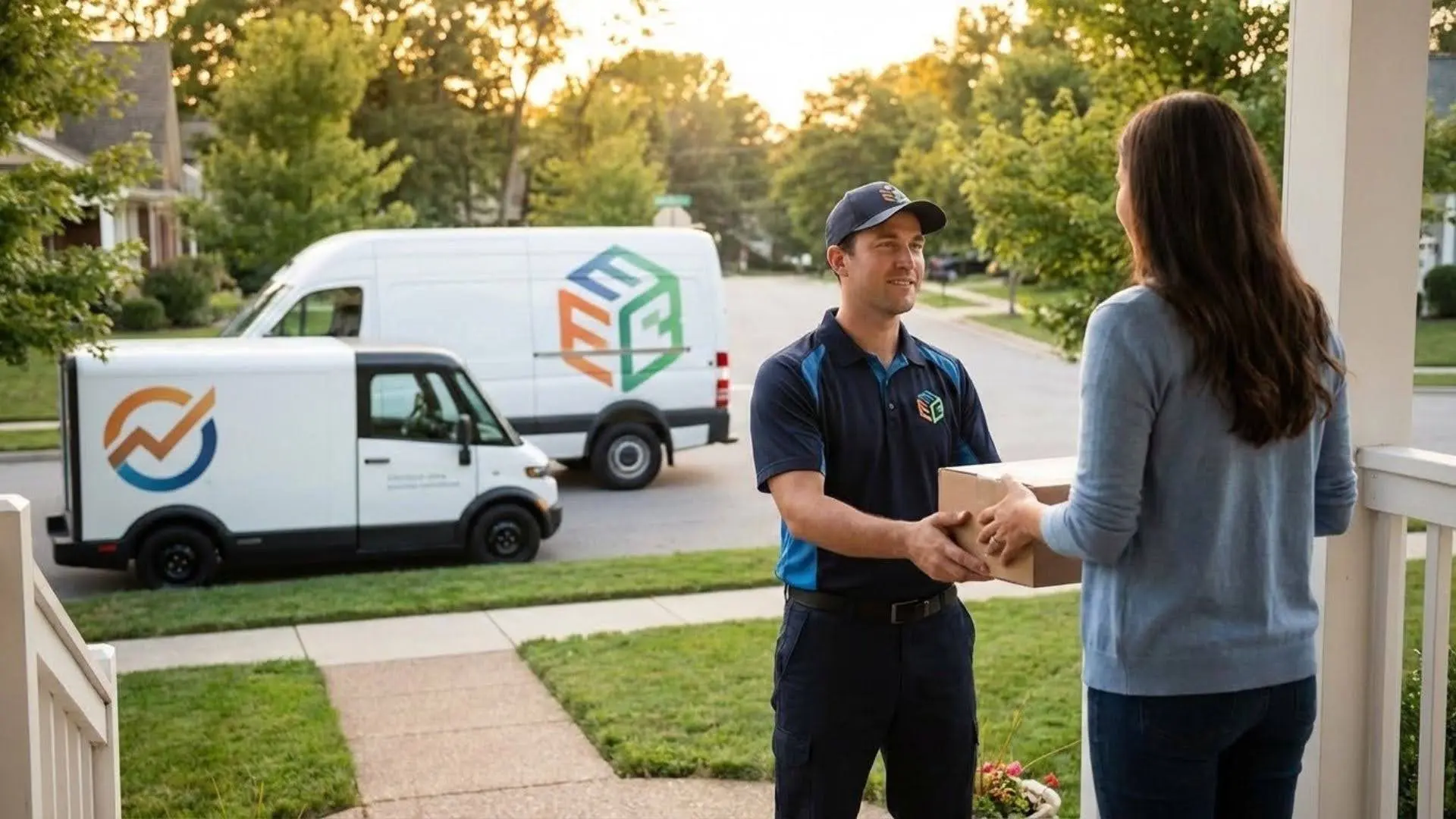
There is a last mile delivery process issue that most in logistics and delivery understand. It's when a customer places an order.
If you're running a logistics operation in 2026, you already know the drill — delivery windows are tighter than ever.
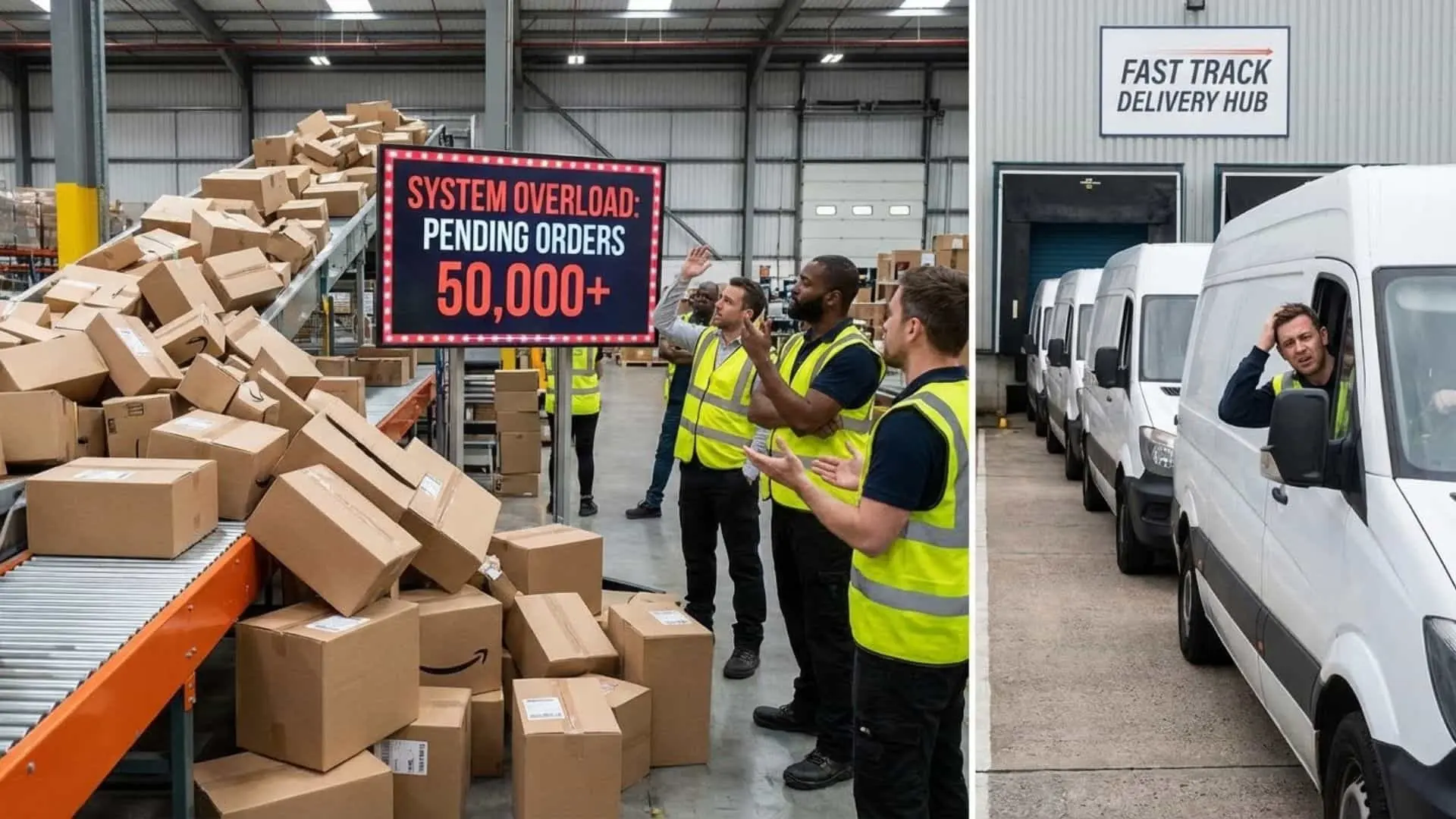
If you've ever watched a perfectly packed order sit on a loading dock while a delivery van pulls away half-empty, you already know the problem.
You've got the data. It's sitting in your route logs, your driver app check-ins, your proof of delivery timestamps, and your customer feedback scores.
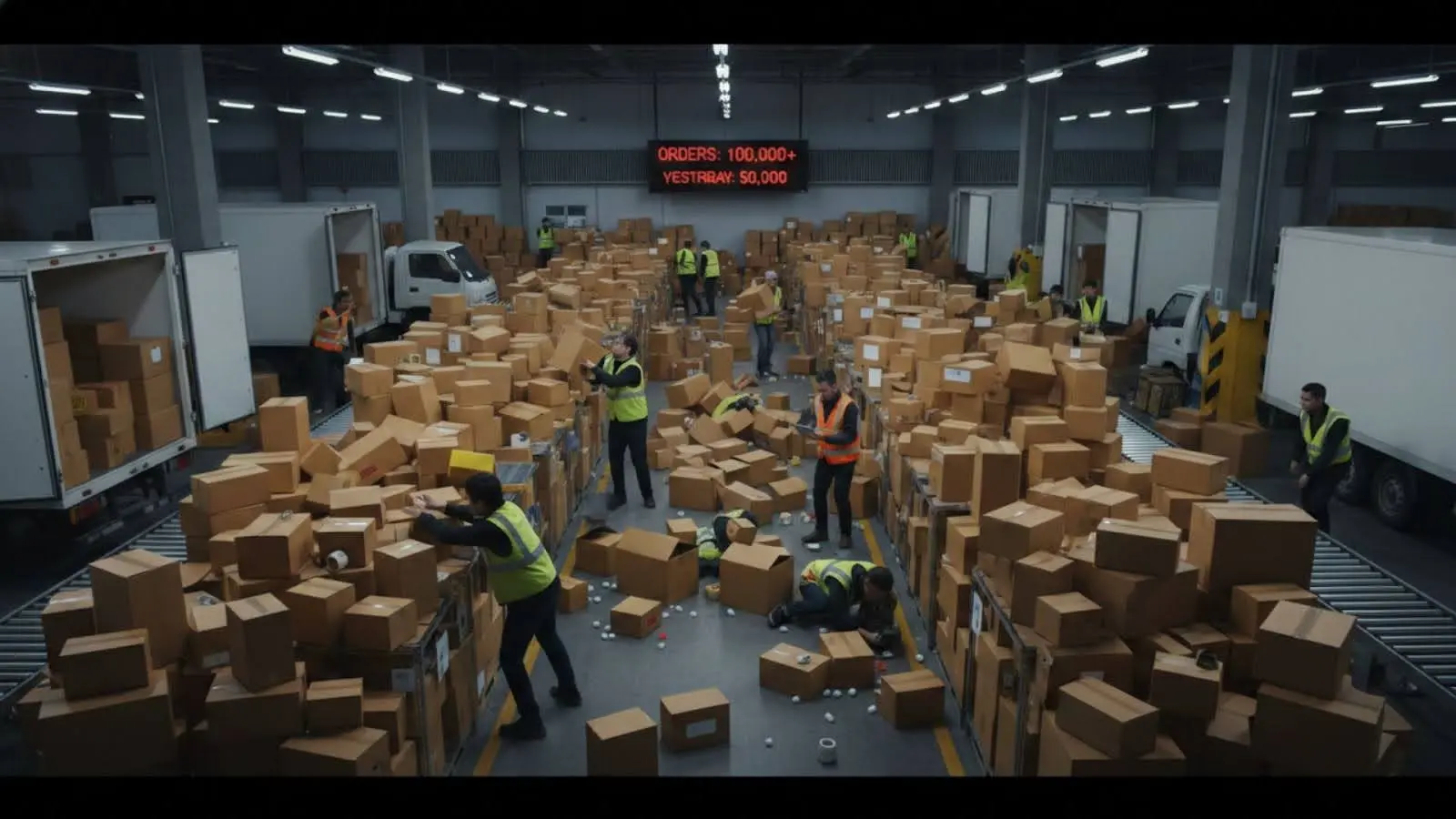
One day, everything is running smoothly. Orders are flowing in at a predictable rate, your drivers are covering their routes without drama.
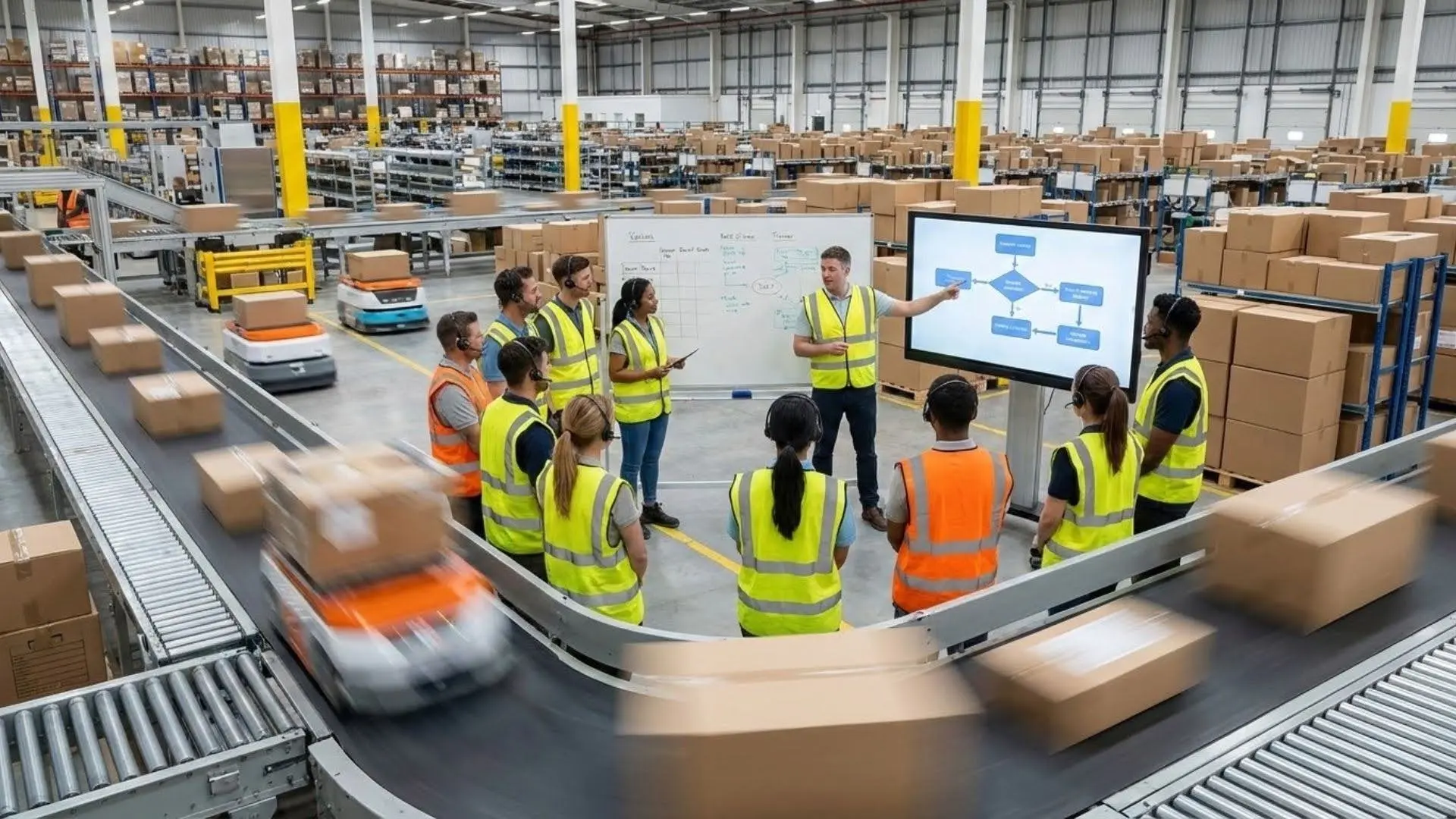
You've invested in route planning software. Your dispatch is automated. The fleet dashboard shows real-time GPS data and perfectly calculated ETAs.
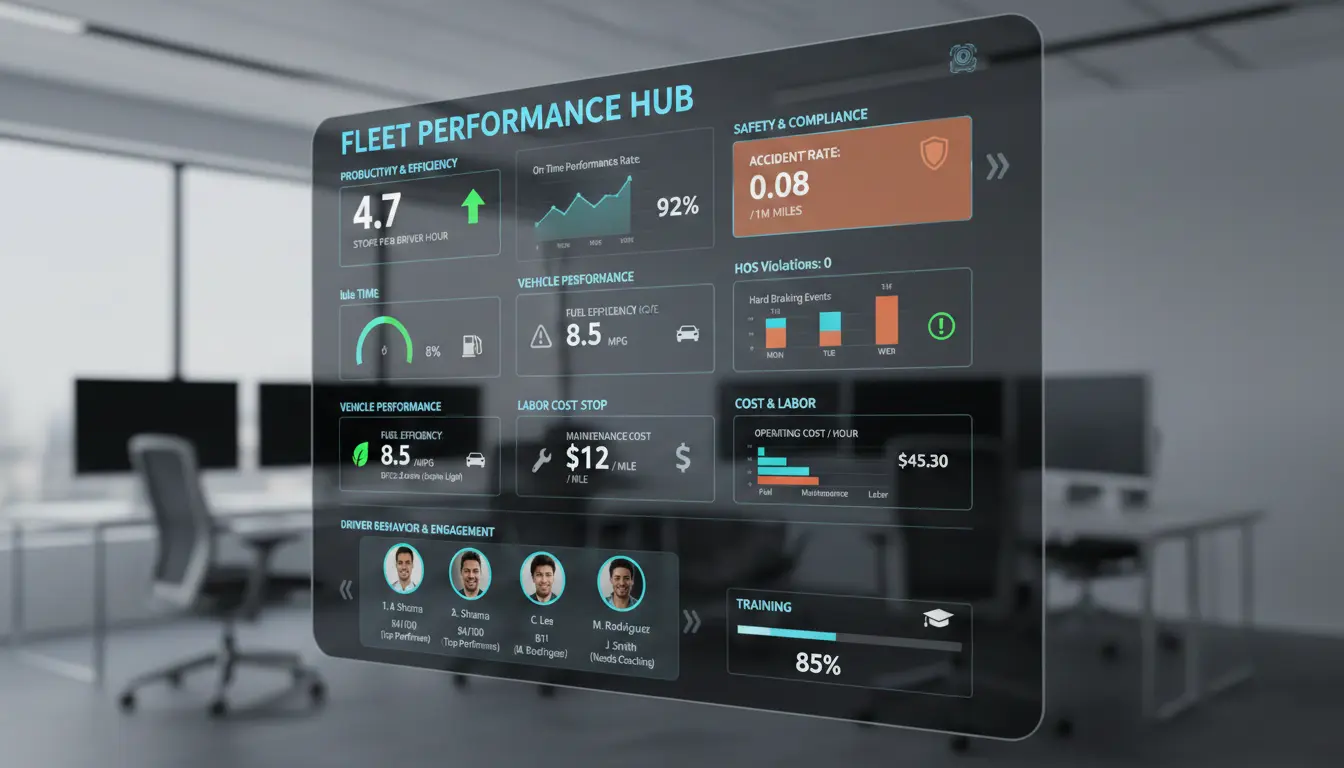
You're tracking fuel costs. Idle time is on the dashboard. You've got data on cost per mile, vehicle utilisation, maintenance schedules — the whole lot.
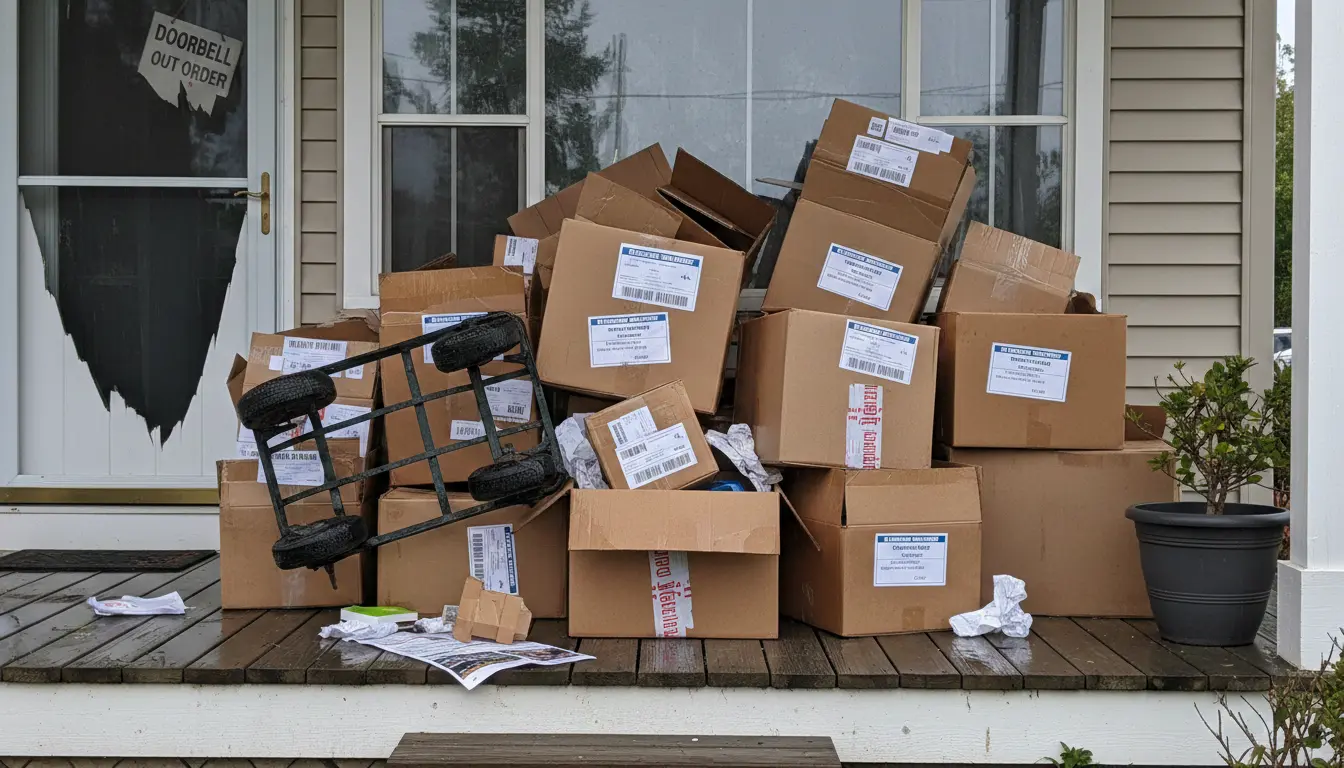
Failed deliveries are one of those problems that can feel impossible to pin down because the causes are scattered across the entire supply chain.
You've solved the delivery operations code. Orders are climbing, customers are coming back, and demand is pulling you into new suburbs, new cities.
If you manage last mile deliveries across both metro areas and regional zones, you already know the frustration.
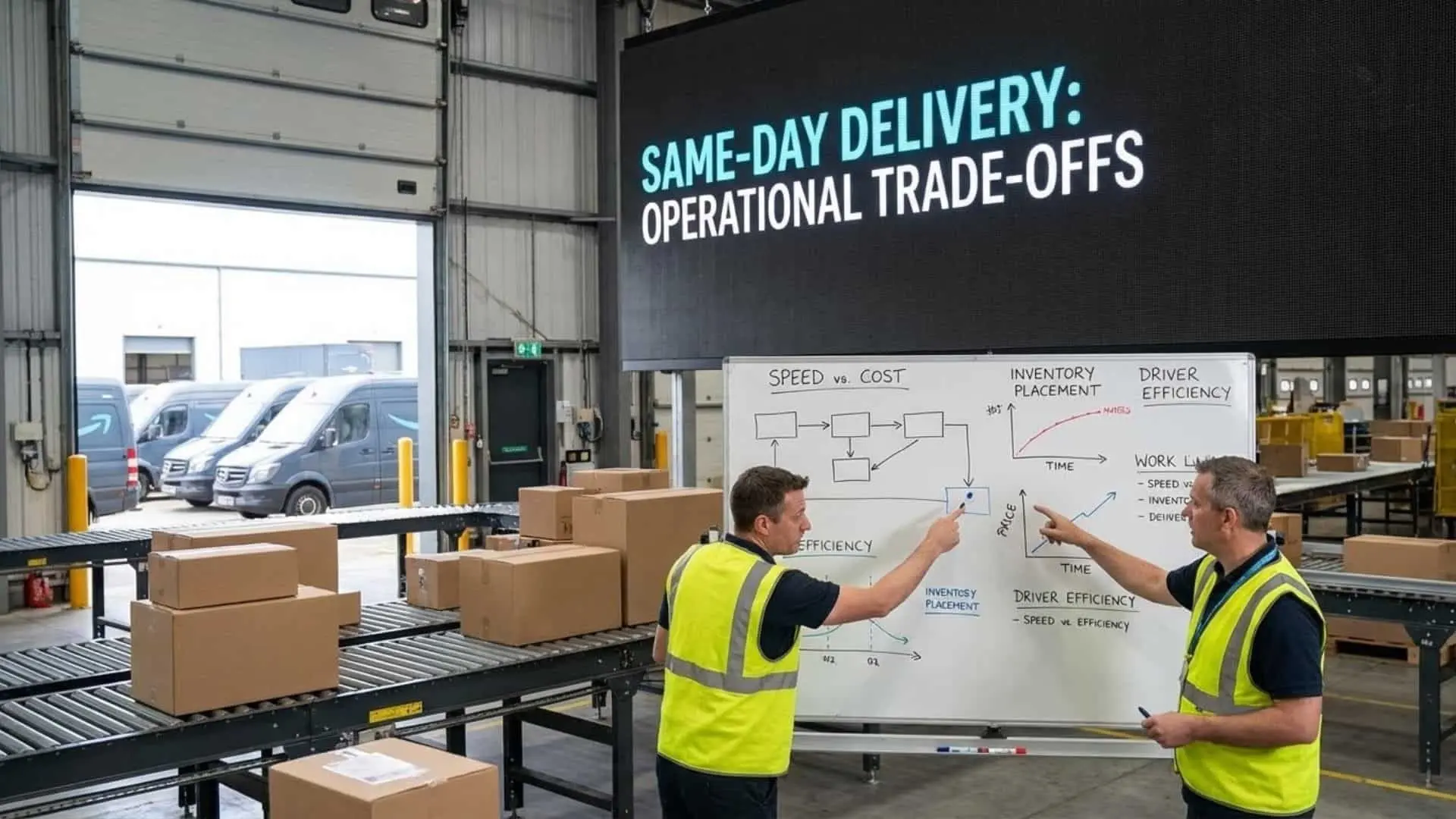
Same-day delivery is an absolute essential for most companies. But here's what rarely makes it into the marketing copy.