Closing the Gap Between Warehouse Operations and Last-Mile Delivery
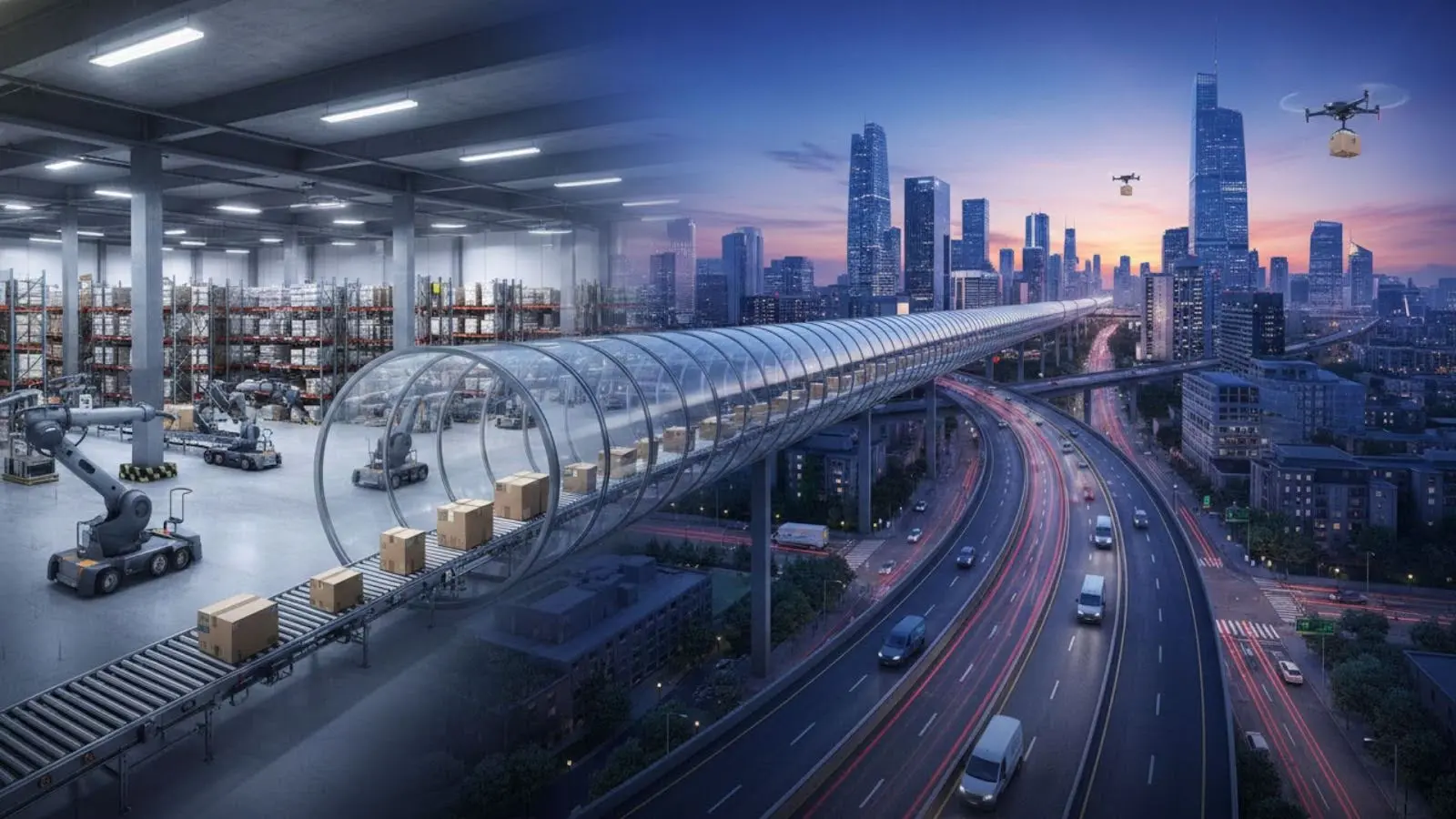
If you've ever watched a perfectly packed order sit on a loading dock while a delivery van pulls away half-empty, you already know the problem.
Warehouses and last-mile delivery teams regularly operate in entirely different worlds, with different systems, different priorities, and different timelines.
The result? Missed delivery windows, wasted capacity, and frustrated customers who just want their parcel to show up when promised.
The good news is that this gap is fixable. And the businesses closing it right now are seeing real, measurable improvements in cost, speed, and customer contentment.
Let's break down where the disconnect happens, what integration actually looks like in practice, and how to start pulling these two critical functions together.
Why Do Warehouse and Delivery Operations End Up as Silos?
It's not that anyone sets out to build disconnected systems. It usually happens organically. Warehouse teams focus on receiving, storing, picking, and packing. Delivery teams focus on routes, driver schedules, and getting parcels to doors. Each side optimises for its own metrics, and the handoff between them becomes a grey zone that nobody fully owns.
Traditional logistics models compound the issue. Goods move from central warehouses outside cities into metropolitan areas through multiple handoffs, each one introducing delay risk and added transportation costs.
When warehouse processing speed doesn't match delivery scheduling, you end up with either overworked drivers speeding to catch up or underutilised vehicles sitting idle. Neither scenario is good for your bottom line.
Here's a number that should get your attention: a single failed delivery generally costs a company $17.78 per stop. Multiply that across hundreds or thousands of daily deliveries, and the financial impact of poor coordination between warehouse and last-mile operations becomes impossible to ignore.
What Does Effective Integration Actually Look Like?
At its core, closing this gap comes down to two things: real-time visibility and synchronised planning.
When your warehouse management system (WMS) talks directly to your transportation management system (TMS), orders can be dynamically allocated to delivery routes as they're processed rather than batched and handed off hours later.
This means orders get grouped by delivery zone or route during the picking and packing stage, not after. Load building becomes more efficient. Fewer vehicles go out, and the ones that do are fuller and following smarter routes.
The results speak for themselves. UPS achieved an 8% reduction in overall delivery costs and improved service level agreement compliance through dynamic dispatch systems that adjust in real time based on warehouse output.
That kind of responsiveness eliminates the feast-or-famine cycle where delivery teams are either scrambling or idle.
The Actual Benefits of Synchronisation
- Predictable warehouse output lets delivery planners schedule drivers, vehicles, and fuel consumption with confidence.
- Route-based sorting at the warehouse level means drivers spend less time organising their loads and more time delivering.
- Real-time inventory visibility prevents the all-too-common scenario of promising a customer something that isn't actually ready to ship.
- Reduced vehicles on the road thanks to consolidated, well-planned loads that reduce both cost and environmental impact.
How Technology and Automation Bridge the Gap
You can't integrate what you can't see. That's why technology sits at the centre of any serious effort to connect warehouse and delivery operations.
But this isn't about buying shiny tools for the sake of it. It's about choosing systems that create a continuous flow of information from the moment an order is placed to the moment it lands on a customer's doorstep.
Warehouse Automation Sets the Pace
Automated picking and sorting technologies, including robotics, allow warehouses to process higher volumes without losing accuracy.
When your warehouse can reliably produce a predictable flow of ready-to-ship orders, your delivery operation can plan around it rather than react to it.
Early adopters of predictive warehouse automation are reporting 15–20% improvements in last-mile delivery efficiency. That's not a marginal gain. That's the difference between a delivery operation that barely breaks even and one that contributes considerably to profit.
AI Creates the Connections
Artificial intelligence is where things get genuinely interesting. AI systems can forecast demand patterns with enough accuracy to allow warehouses to pre-position inventory before orders even arrive.
They optimise picking sequences, inventory slotting, and packaging decisions based on delivery requirements.
Think about what that means in practice: orders are prepared in ways that specifically support last-mile efficiency. Parcels destined for the same delivery zone are picked together. Items with tight delivery windows get prioritised. Packaging is selected to maximise vehicle space utilisation.
Some of the more advanced implementations are creating digital twins of their entire fulfilment network, continuously simulating different scenarios to find optimal decisions before committing resources.
These approaches are expected to reduce last-mile delivery costs by up to 40%.
Delivery Management Systems as the Central Hub
A Delivery Management System (DMS) commonly functions as the connective tissue between warehouse and last-mile operations.
The right platform provides a unified view of order processing, route optimisation, and live tracking in one place.
The best tools integrate fluently with existing warehouse systems so that data flows without manual entry errors. They allow real-time customer tracking, driver apps for field teams, and digital proof of delivery, all of which feed back into the system to advance future planning.
When your warehouse team and your delivery team are literally looking at the same data, the grey zone between them starts to disappear.
Four Strategic Areas to Focus On
If you're looking to start closing the gap between your warehouse and last-mile operations, these four areas offer the highest return on effort:
- Carrier network evaluation: Choose delivery partners with proven performance in the areas you serve, notably in dense urban zones where complexity is highest. A trusted carrier with local knowledge will always outperform a cheaper option that lacks reliability.
- Inventory placement: Store the right products in the right locations to minimise fulfilment time. This might mean distributing stock across multiple smaller facilities rather than relying on a single central warehouse.
- Technology integration: Invest in systems that offer real-time tracking and order management visibility across both warehouse and delivery operations. API-based integrations between your WMS and TMS are the foundation.
- Route optimisation: Pair intelligent delivery solutions with consolidated shipping methods to reduce the count of vehicles on the road while continuing or improving delivery speed.
Why Urban Warehousing Amplifies Everything
There's a reason so many logistics operators are moving fulfilment centres closer to their customer base.
Urban warehouses enable orders to be processed, packed, and shipped in hours rather than days. Delivery times drop, order accuracy improves, and costs come down because you're covering shorter distances.
But the real advantage is operational dexterity.
When your warehouse is 15 minutes from your delivery zone instead of two hours, the synchronisation between warehouse output and delivery execution becomes much tighter. Scheduling windows shrink. You can offer later cut-off times for same-day delivery. And when something goes wrong, you have time to recover before the customer ever notices.
This proximity makes every other integration effort more impactful. Route optimisation algorithms work better with shorter distances. Instant adjustments are more feasible when drivers aren't hours away from the warehouse. It's a multiplier effect.
What Happens When You Get This Right?
Businesses that successfully integrate warehouse and last-mile operations stop thinking about them as separate functions. Instead, they see a unified supply chain where each component supports and improves the others.
The operational benefits are apparent: lower delivery costs, higher vehicle utilisation, fewer failed deliveries, and faster fulfilment.
But the tactical benefits are just as significant. In a market where customer expectations for speed and reliability keep rising, the ability to consistently deliver on your promises becomes a genuine competitive advantage.
Customers don't see your warehouse. They don't know about your TMS or your picking algorithms. What they see is whether their order arrived on time, in good condition, with clear communication along the way.
Every improvement you make behind the scenes shows up in that customer experience.
Frequently Asked Questions
What is the biggest cost of disconnected warehouse and delivery operations?
The most direct cost is failed deliveries, which average $17.78 per stop. Beyond that, disconnected operations lead to underutilised vehicles, inefficient routes, and warehouse bottlenecks that compound costs over time.
How does route optimisation connect to warehouse operations?
When orders are sorted and grouped by delivery route during the warehouse picking and packing stage, drivers receive loads that are already organised for their routes. This reduces loading time, minimises backtracking, and allows route optimisation software to work with cleaner, more predictable data.
Do I need to automate my warehouse to improve last-mile delivery?
Full automation isn't required. Even basic integration between your warehouse management system and your delivery management platform can deliver considerable advancements. The key is guaranteeing real-time data flows between the two so that delivery planning reflects actual warehouse output.
What role does a Delivery Management System play in integration?
A DMS acts as the central hub connecting warehouse output with delivery execution. It handles order processing, route optimisation, live tracking, driver communication, and proof of delivery, all while feeding performance data back into the system for continuous improvement.
Want a closer look at the gaps in your present configuration? Book a free operations review with our logistics experts and uncover quick wins for connecting your warehouse and last-mile delivery.
Related Articles

How Delivery Data Is Altering Supply Chain Decision-Making
You've got the data. It's sitting in your route logs, your driver app check-ins, your proof of delivery timestamps, and your customer feedback scores. But is it actually determining how you make decisions, or is it just... there?...
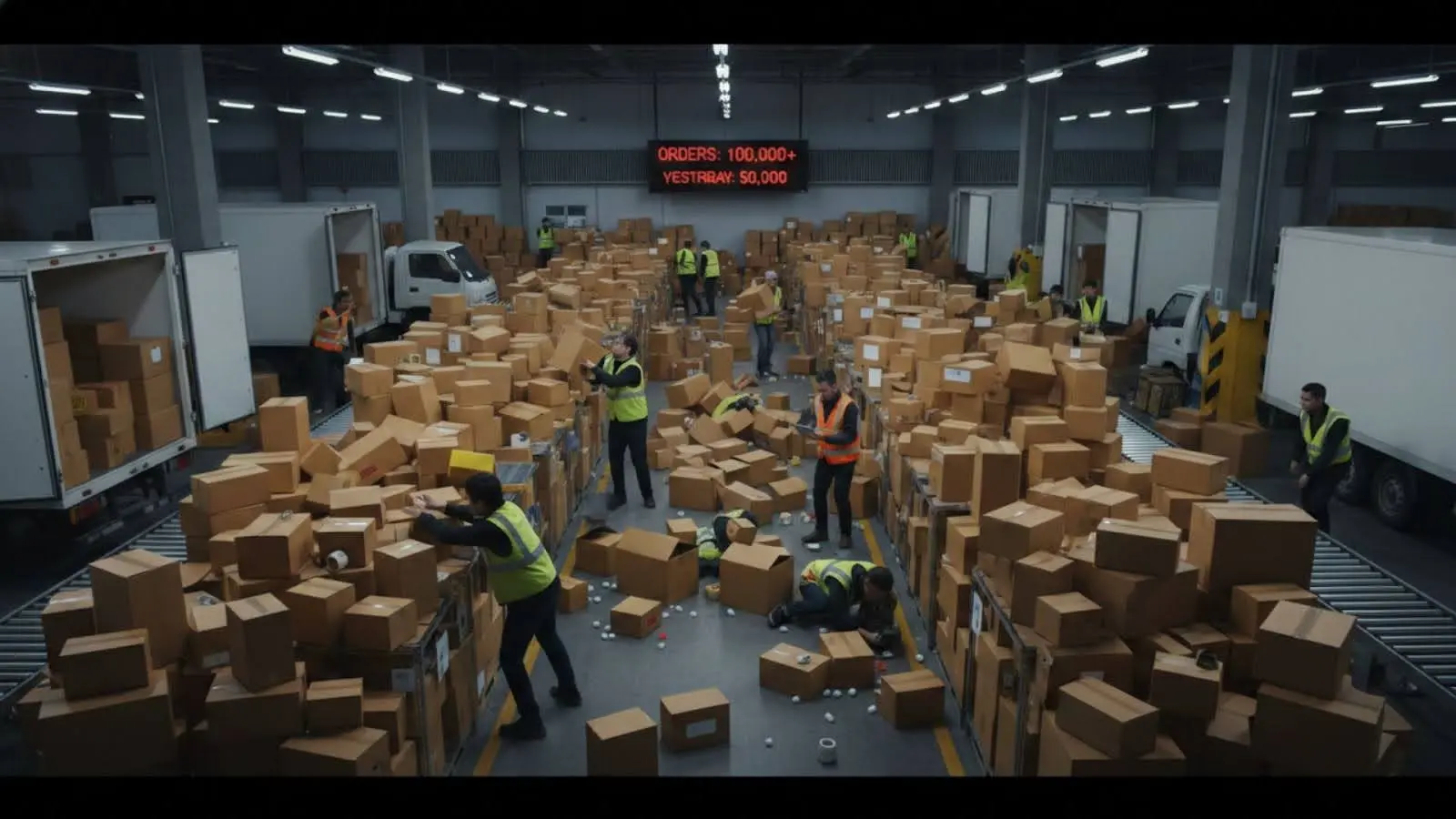
What Happens to a Delivery Operation When Order Volumes Double Overnight?
One day, everything is running smoothly. Orders are flowing in at a predictable rate, your drivers are covering their routes without drama. Then, seemingly out of nowhere, your order volume doubles...
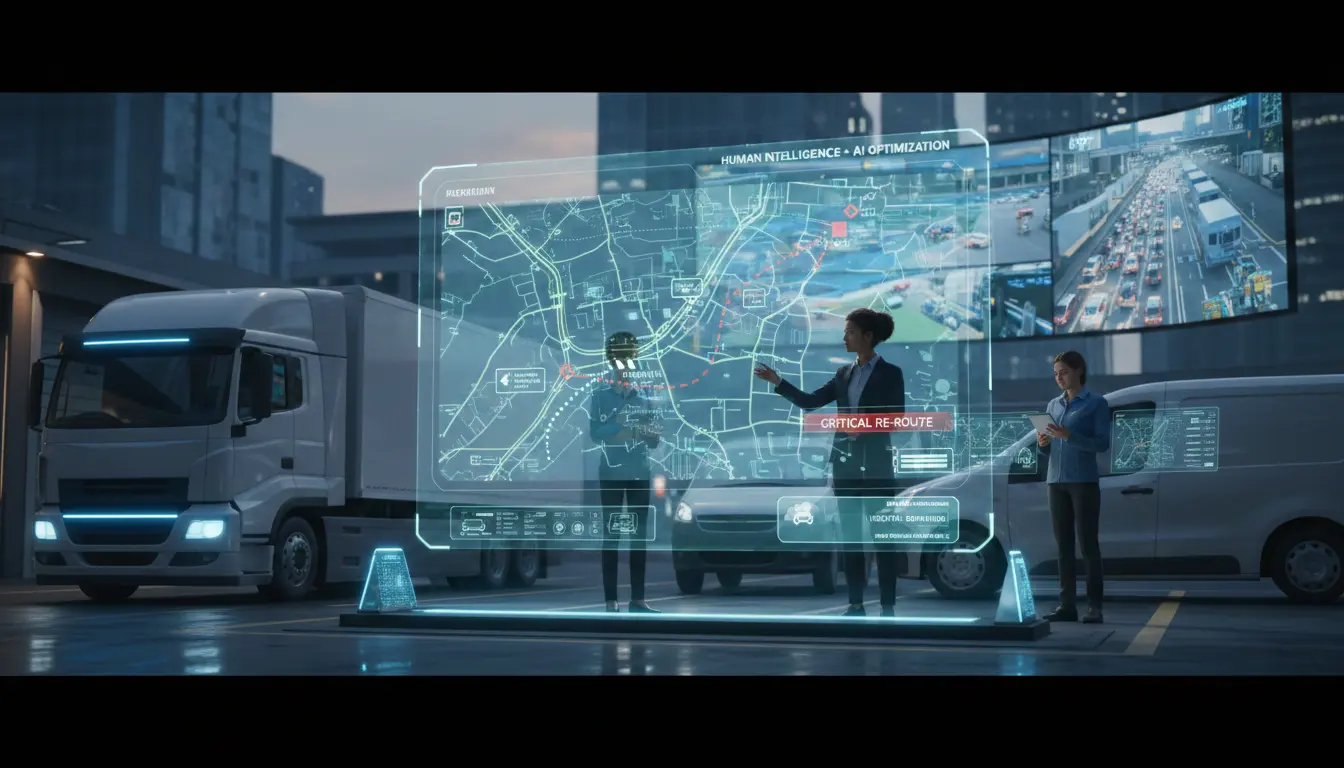
Why Driver Routing Decisions Still Matter in Automated Fleets
You've invested in route planning software. Your dispatch is automated. The fleet dashboard shows real-time GPS data and perfectly calculated ETAs for every driver, every stop, every address on the list. So why does your most experienced driver keep departing from the suggested route?...